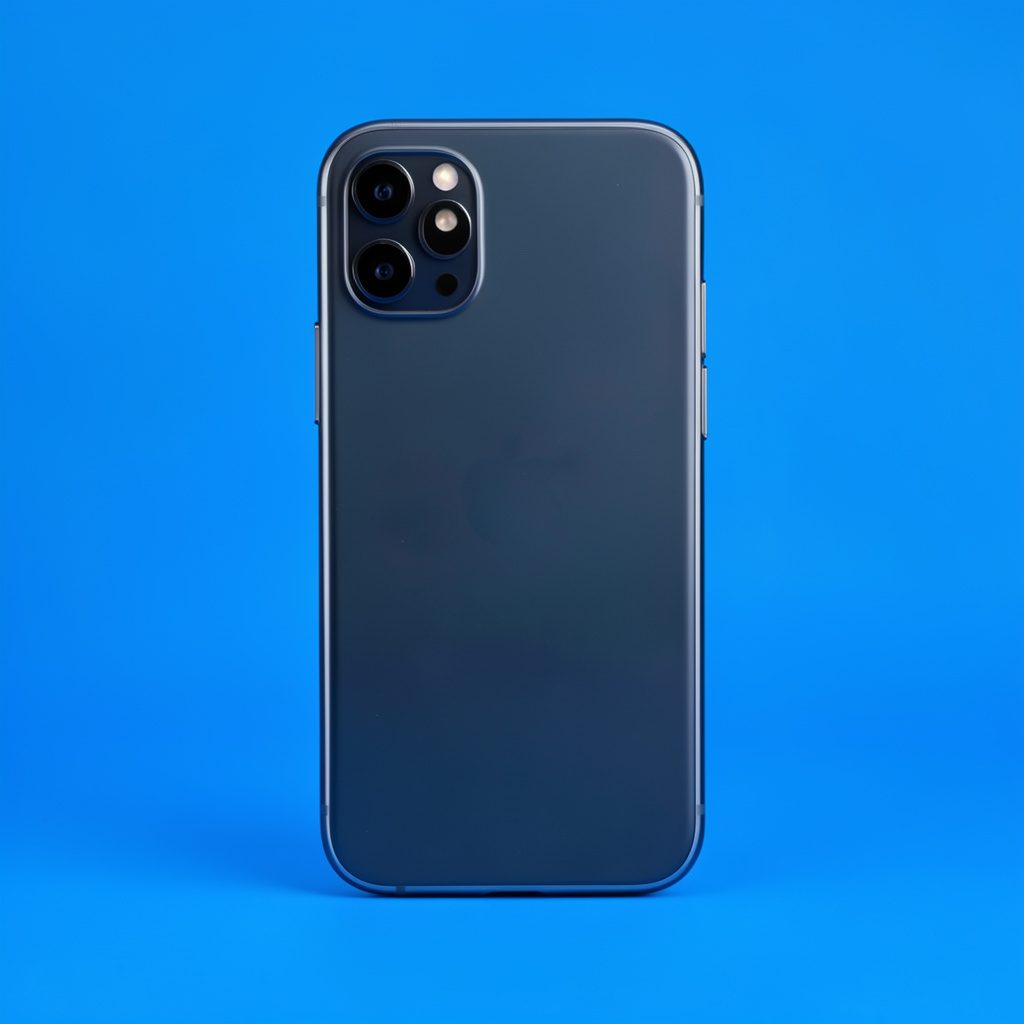
OnePlus was rumoured to be launching a faster and more efficient follow-up to the OnePlus 3, thought to be called the OnePlus 3T. Here's how the early rumours stacked up against the Samsung Galaxy S7 edge — a phone already on shop shelves at the time of the report.
Design
Both handsets share an all-metal unibody build, with curved edges and a rear-mounted camera. The Galaxy S7 edge carries IP68 water and dust resistance, while the OnePlus 3T was tipped to remain a non-certified, splash-resistant device.
Display
The Galaxy S7 edge uses a 5.5-inch Quad HD dual-edge Super AMOLED panel. Early rumours suggested the OnePlus 3T would keep the OnePlus 3's 5.5-inch Full HD Optic AMOLED, continuing the OnePlus tradition of 1080p displays.
Camera
Samsung equipped the S7 edge with a 12-megapixel Dual Pixel sensor and bright f/1.7 lens. The OnePlus 3T was rumoured to upgrade to a Sony IMX398 sensor with the same 16-megapixel count as its predecessor.
Hardware
The Galaxy S7 edge runs on the Exynos 8890 with 4 GB of RAM. The OnePlus 3T was tipped to ship with the Snapdragon 821 and a generous 6 GB of RAM, giving it a notable advantage in multitasking.
Software
Samsung's flagship launched on Android 6.0 Marshmallow with TouchWiz. The OnePlus 3T was expected to ship with OxygenOS on top of Android 6.0 Marshmallow, closer to a stock experience.
Price
At the time, the Galaxy S7 edge retailed well above the OnePlus 3. The OnePlus 3T was rumoured to retain the OnePlus 3's pricing tier, keeping it noticeably cheaper than Samsung's curved flagship.
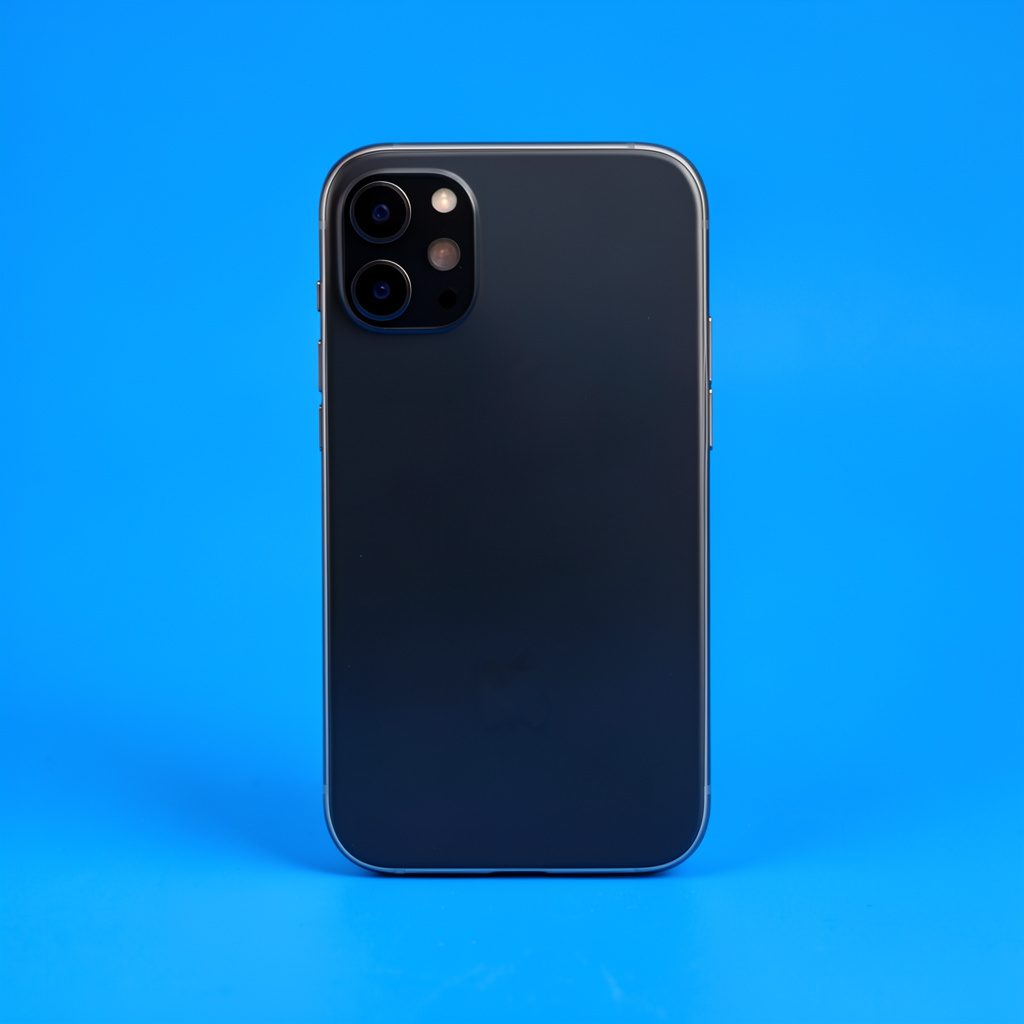
Quick spec rundown
| Area | OnePlus 3T (rumoured) | Samsung Galaxy S7 edge |
|---|---|---|
| Display | 5.5" Full HD Optic AMOLED | 5.5" Quad HD dual-edge Super AMOLED |
| Processor | Snapdragon 821 | Exynos 8890 |
| RAM | 6 GB | 4 GB |
| Camera | 16 MP Sony IMX398 (rumoured) | 12 MP Dual Pixel, f/1.7 |
| Software | OxygenOS on Android 6.0 | TouchWiz on Android 6.0 |
| Water resistance | None rated | IP68 |
The smartphone comparison landscape continues to evolve rapidly as manufacturers push the boundaries of performance and design. When evaluating flagship devices, consumers often weigh factors like processing speed, display quality, and camera capabilities against battery life and durability. The competition between major brands drives innovation, with each new generation offering meaningful improvements in areas such as display resolution, processor efficiency, and software optimization. Water resistance has become a sought-after feature, though not all devices carry official certification. Understanding these distinctions helps buyers make informed decisions based on their priorities, whether that means choosing a phone with the fastest processor, the best camera system, or the most reliable build quality for daily use.
Technology news this week highlights the ongoing advancements in mobile operating systems and app ecosystems. Both major platforms continue to refine their user interfaces, focusing on smoother animations, better multitasking, and enhanced privacy controls. Developers are increasingly optimizing applications for larger screens and higher refresh rates, ensuring that games, productivity tools, and social media apps take full advantage of modern hardware capabilities. Security updates remain a critical focus, with manufacturers committing to longer support windows for their devices. The battle for ecosystem dominance drives constant improvements in cloud services, messaging platforms, and cross-device integration, ultimately benefiting consumers who demand seamless experiences across their digital lives.
The intersection of artificial intelligence and mobile technology is reshaping how users interact with their devices. Smart assistants are becoming more contextual, learning from user behavior to offer proactive suggestions and automate routine tasks. Camera systems now leverage machine learning for scene recognition, portrait enhancements, and low-light photography, rivaling dedicated cameras in quality. Battery management algorithms intelligently optimize power consumption based on usage patterns, extending runtime without compromising performance. As AI capabilities expand into areas like real-time translation, accessibility features, and health monitoring, smartphones are evolving from communication tools into comprehensive personal assistants that anticipate needs and adapt to individual preferences.
Digital security and privacy remain paramount concerns for smartphone users navigating an increasingly connected world. Manufacturers are implementing multiple layers of protection, including biometric authentication methods such as fingerprint sensors and facial recognition, alongside encrypted storage and secure boot processes. Operating system updates regularly patch vulnerabilities, while app permissions give users granular control over data access. The shift toward more transparent privacy practices has become a competitive differentiator, with companies highlighting their commitment to protecting user information. As cyber threats grow more sophisticated, the balance between convenience and security continues to shape hardware design decisions and software development priorities across the industry.
The gadget ecosystem extends far beyond smartphones, encompassing wearables, tablets, and smart home devices that integrate seamlessly with mobile platforms. Smartwatches have matured into capable health and fitness companions, offering heart rate monitoring, GPS tracking, and sleep analysis. Wireless earbuds deliver increasingly impressive audio quality with active noise cancellation and long battery life. The proliferation of smart home standards is making it easier for consumers to build connected living spaces with lighting, thermostats, and security systems controllable from a single device. This interconnected landscape creates opportunities for deeper automation and personalization, though it also demands careful consideration of compatibility and security across multiple product categories.