
 Apple
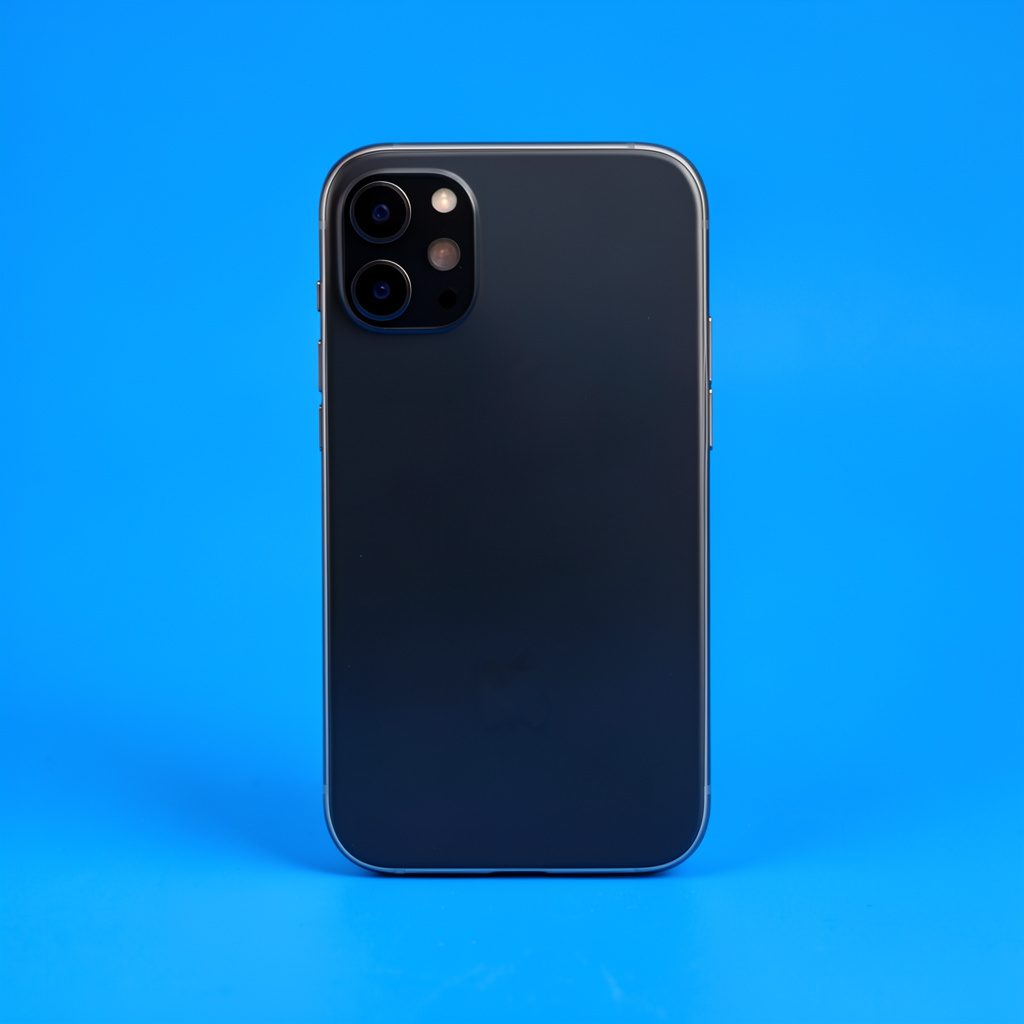
Apple's Strategy Beyond Today's MacBook Pro Success
Reporting from The Mirror on how Apple is positioning its hardware roadmap, including lineup shifts and pricing decisions across international markets.

Reporting on Apple, Google, smartphones, video games, and the science shaping consumer technology.
Apple
Reporting from The Mirror on how Apple is positioning its hardware roadmap, including lineup shifts and pricing decisions across international markets.
Subscribe for breaking stories on Apple, Google, gaming releases, and the science behind consumer tech.
A daily news roundup thrives when it mirrors what readers care about most, and DiggLine is built around that simple idea. Its homepage gathers stories spanning technology, science, gaming, and consumer hardware under one editorial roof, treating each topic as a window onto a wider conversation. The layout borrows from classic broadsheet design, but the rhythm is unmistakably digital, refreshing through the day as new angles replace old ones. Readers who want a quick scan of the headlines and a deeper read further down both find a place here, and the structure invites return visits whenever curiosity is sparked by a single headline.
The technology beat at DiggLine stretches across the platforms readers actually use every day. Coverage wanders from the latest mobile operating systems and app updates to browser developments, search engine changes, and shifting trends in how people interact with their devices. Major names like Apple, Google, and Samsung appear regularly, but the reporting also makes room for smaller players and open source communities shaping the wider ecosystem. Readers looking to understand why a particular update matters, or how two competing products stack up against each other, find context rather than hype. The goal is to translate fast-moving tech news into stories worth thinking about long after the headline scrolls past.
Gaming finds a comfortable home in the DiggLine mix, treated as a serious cultural and technological subject rather than a side note. Coverage can range from major studio announcements and hardware launches to indie experiments and revisiting classics that still shape the medium. Readers interested in console news, PC releases, and the ever-expanding mobile scene discover pieces that connect game design, business, and community reactions into a single narrative. The editors recognize that games today spark conversation well beyond the screen, influencing film, music, and how people spend their leisure hours.
Science coverage on DiggLine leans toward stories with a direct connection to everyday life rather than purely abstract research. Health updates, consumer technology breakthroughs, space exploration milestones, and environmental investigations all find their way into the lineup. The approach treats science as news that belongs alongside any other major beat, with clear explanations instead of jargon. Readers who only check in occasionally still leave with a sense of what shifted in the world this week and why it might matter next month.
Smartphones remain one of the central pillars of the DiggLine newsroom because they touch nearly every other topic covered on the site. Updates to Android, iOS, and the wider app ecosystem are tracked for what they reveal about how we communicate, work, and entertain ourselves. Hardware stories cover camera systems, battery improvements, and design choices that influence the feel of devices in the hand. Software stories address privacy shifts, new features, and the sometimes complicated relationship between platforms and the applications that run on them.
Browsers and web platform stories fit naturally into a publication that watches both consumer habits and developer concerns. Coverage can include new releases, interface redesigns, performance benchmarks, and the slow but steady changes to how the open web operates. Readers curious about extensions, privacy tools, or how their favorite browser compares to alternatives often find practical comparisons rather than promotional content. The reporting treats browsers as essential everyday software, deserving the same scrutiny given to any other major technology category.
A good news mirror does more than repeat headlines from elsewhere. DiggLine filters the constant flood of technology, science, and gaming announcements into a selection that prioritizes clarity and relevance. Editorial choices favor stories with lasting context over fleeting noise, even when the loudest items online are short-lived trends. The format combines brief updates for fast readers with longer pieces for those who want to understand the full picture, helping the audience build a steady picture of how the digital world is evolving.
Visual design supports the editorial mission without overshadowing it. Strong serif headlines command attention and echo the heritage of printed journalism, while clean sans-serif body type keeps dense information readable on any screen. Section dividers, compact card layouts, and restrained color use let stories breathe without sacrificing the volume of coverage readers have come to expect. The aesthetic treats browsing the homepage like walking past a newsstand, where a glance is enough to identify which stories deserve a closer read.
Subscribing to the daily newsletter extends the reading experience beyond the homepage itself. Each delivery gathers the most discussed stories, the quieter pieces that deserve more attention, and quick summaries for readers pressed for time. The format suits both early morning routines and midday catch-up moments, fitting naturally into inboxes already filled with work and personal messages. Readers who treat the newsletter as a regular check-in develop a sense of continuity across the week, watching stories they first met as headlines develop into fuller narratives over time.
 Apple
 Google
 Science
 Guides
 Smartphones